Overview
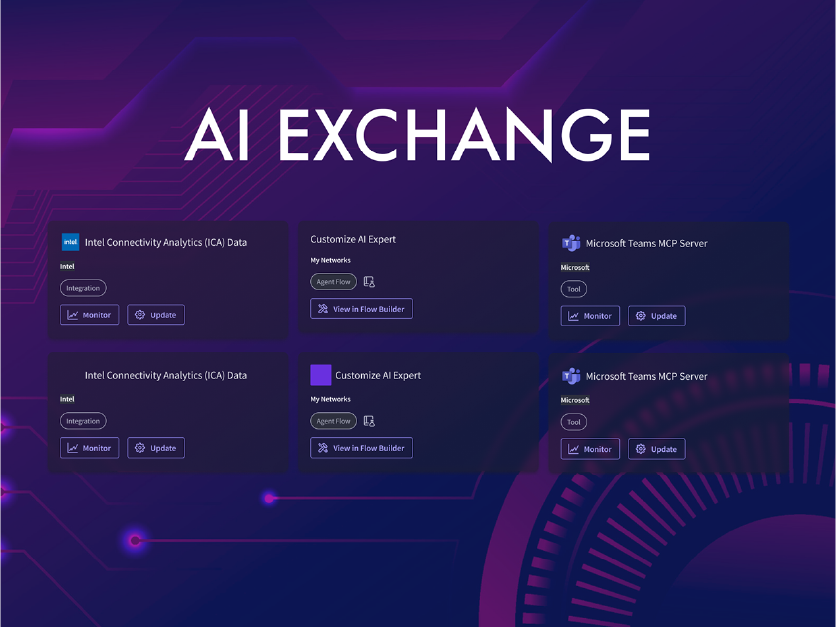
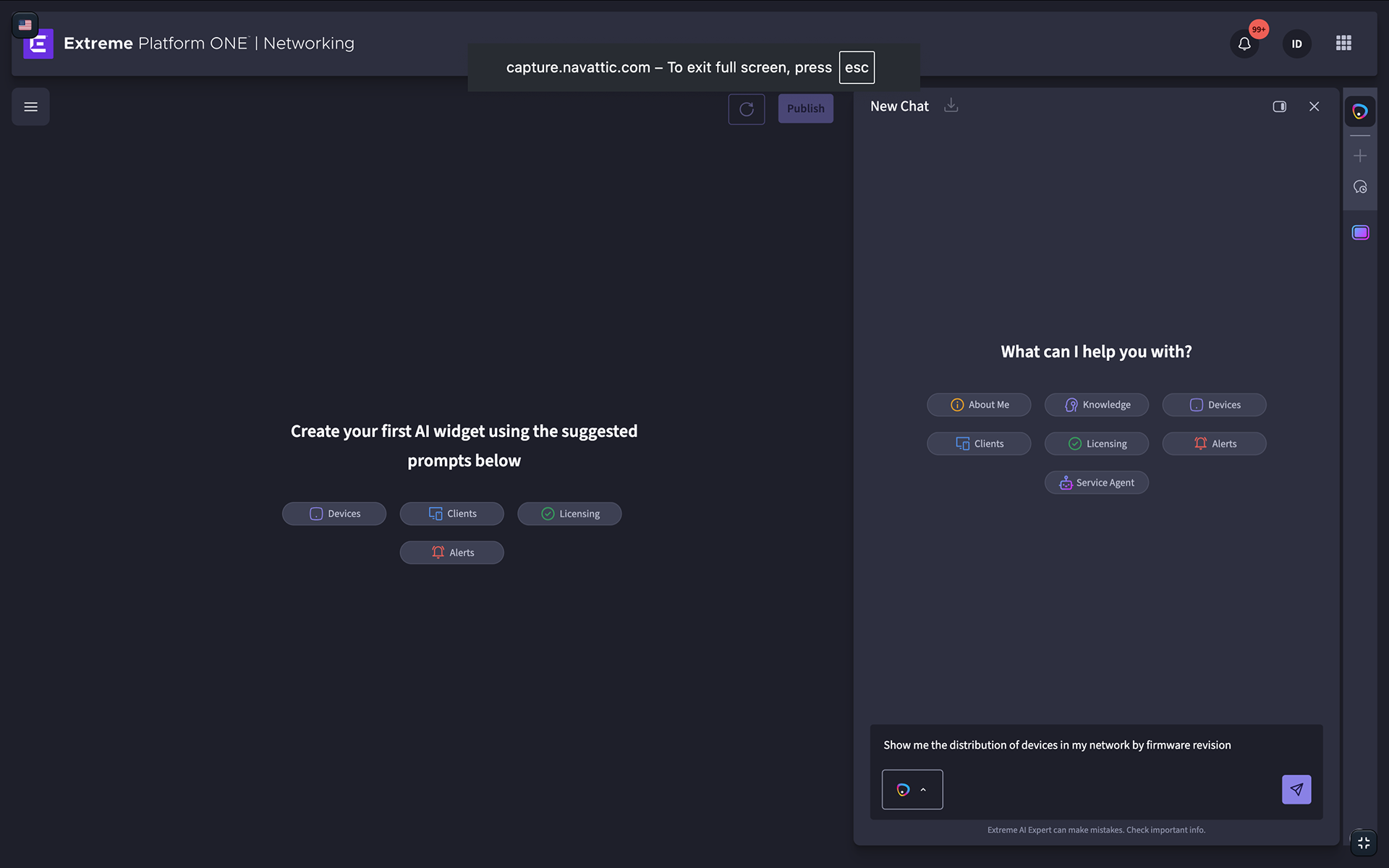
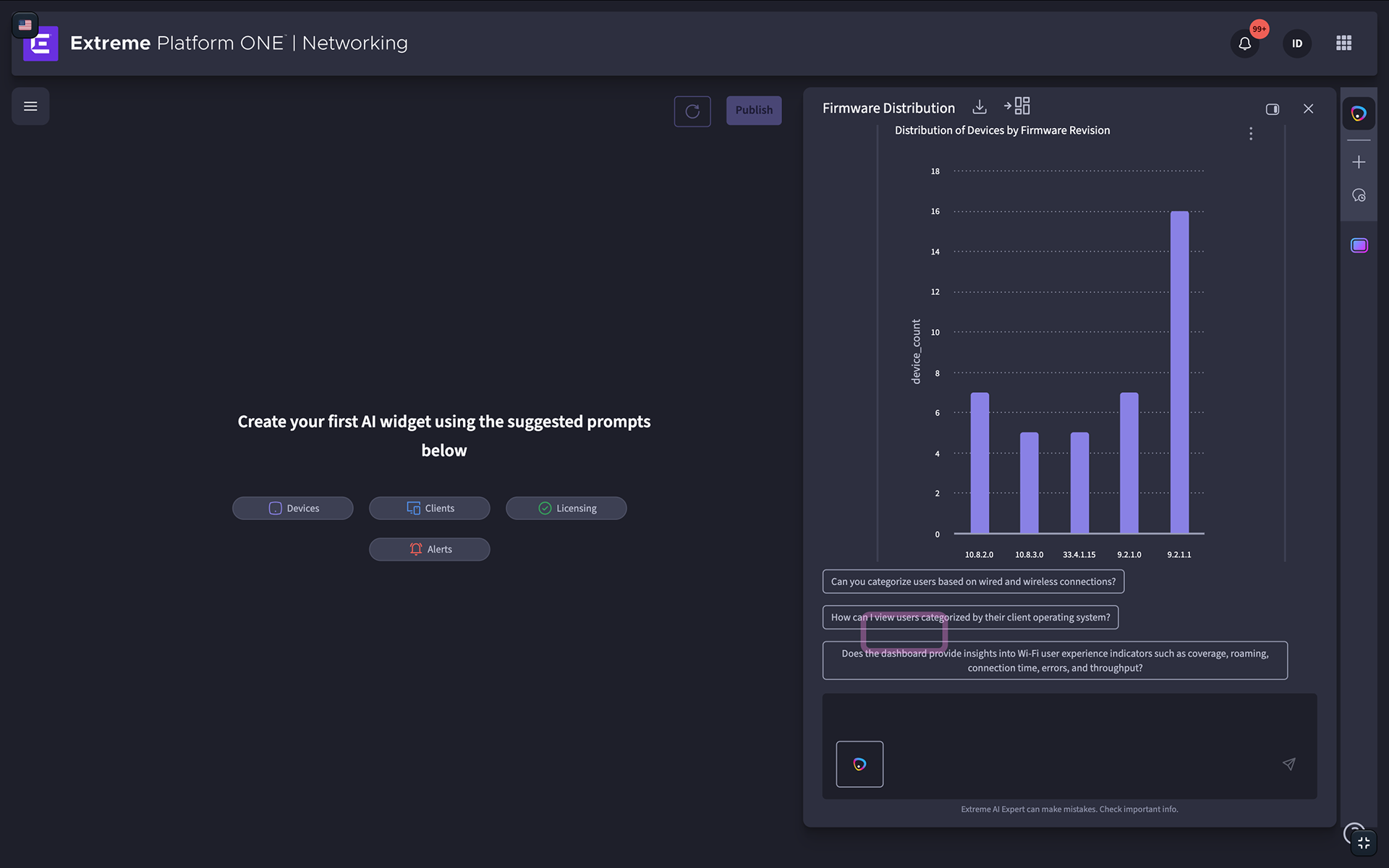
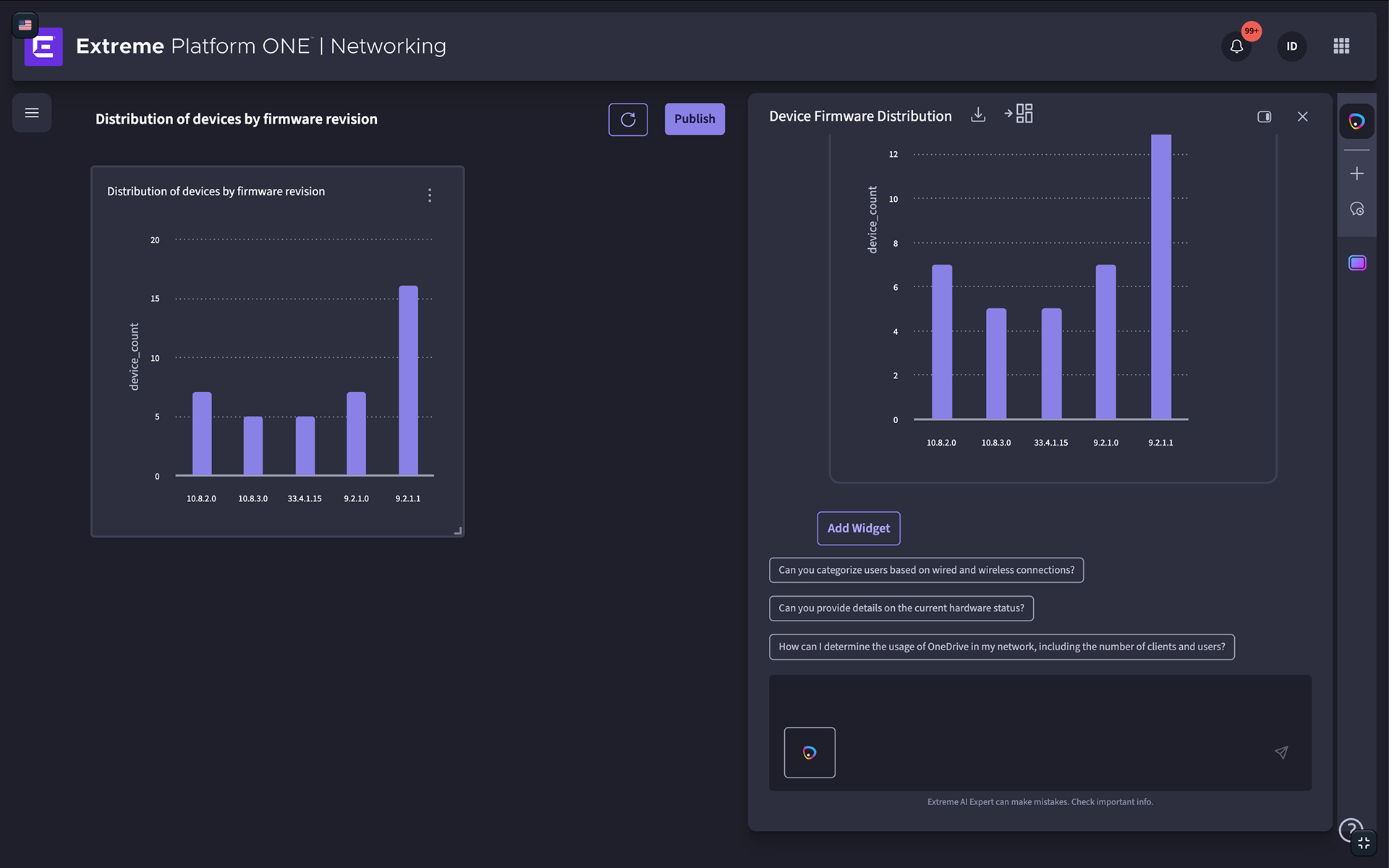
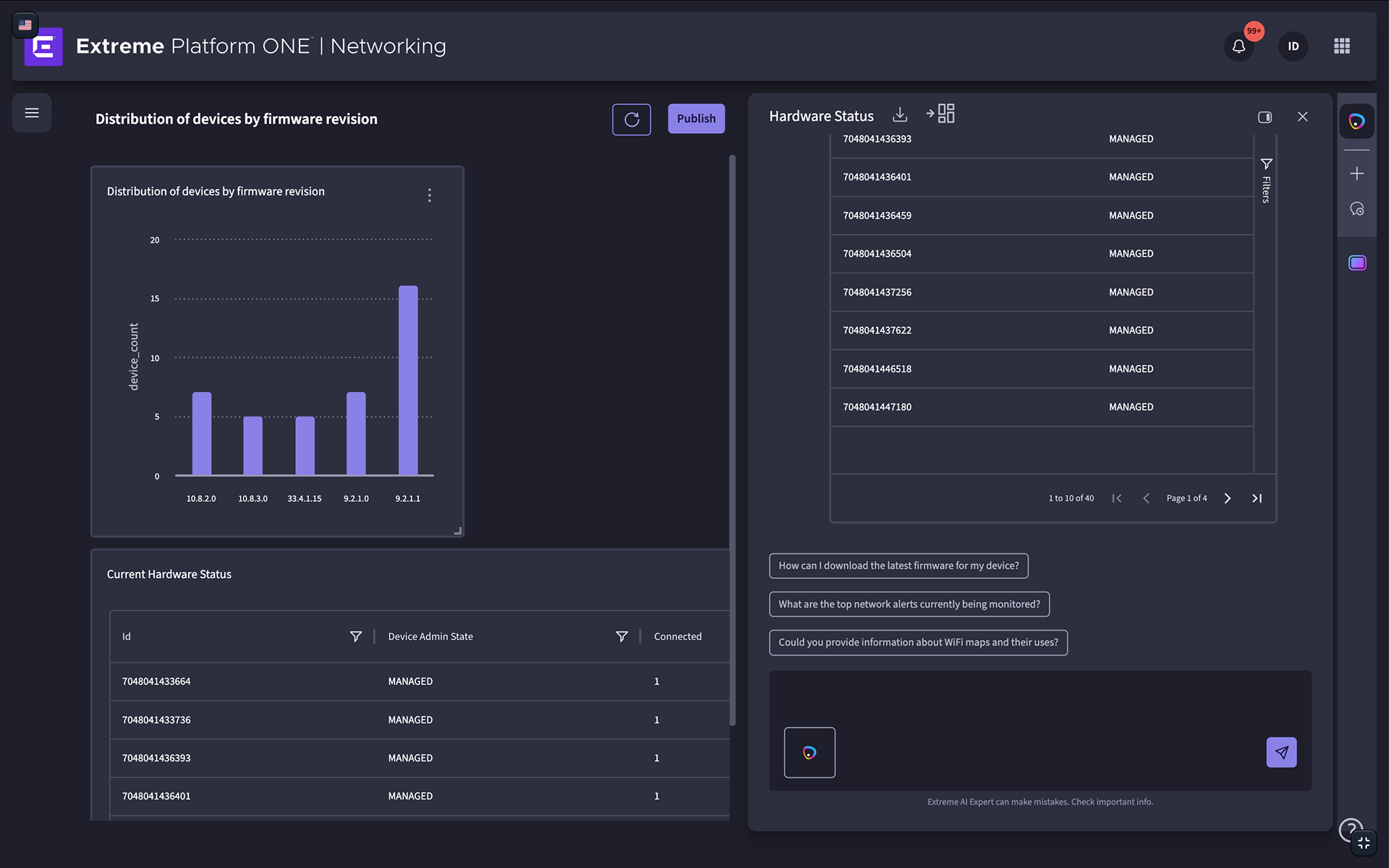
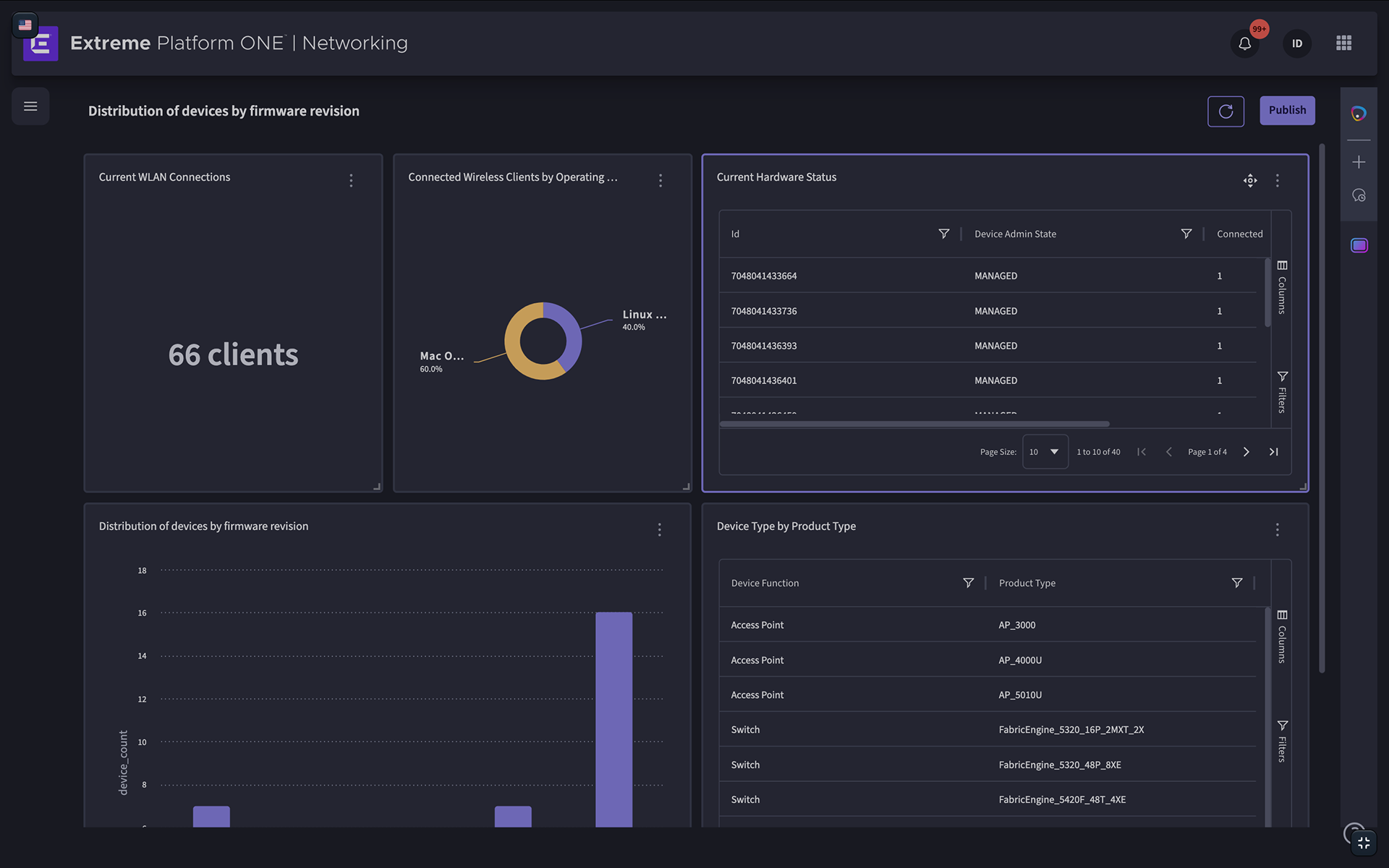
We designed an AI-powered canvas that helps network engineers generate artifacts like charts, graphs, andtables through a chat interface. Beyond artifact creation, we implemented interactions that allow users to talk to widgets, troubleshoot networking issues, monitor events in real time, and act on AI-driven recommendations via integrated notifications (Slack and Email).
Challenge
When we started, we noticed that network troubleshooting was fragmented. Engineers were juggling multiple tools, manually correlating data, and losing time during outages. Our goal was to create a single, intuitive interface that combined conversational AI, real-time monitoring, and actionable insights.
My Role
User Research and Personas
Conducted detailed user research to identify needs and created personas to guide design choices effectively.
Informational Architecture
Developed a comprehensive information architecture to organize content and improve navigation flow.
High-Fidelity Mockups
Delivered polished high-fidelity mockups aligned with brand guidelines to ensure intuitive user experience.
Post-Design User Testing
After launching the live environment, we conducted usability testing to validate design decisions anduncover improvement opportunities. Feedback was synthesized into actionable recommendations and organized using a Kanban workflow for clarity and prioritization.
The board included columns for:
Recommended Changes:
Initial suggestions from testing.
Prioritized for Action:
High-impact items requiring immediate attention. I
In Progress:
Changes actively being implemented.
On Hold:
Items deferred for future iterations.
Done:
Completed fixes.
Blockers:
Items that could not proceed due to dependencies (none identified in this round).
This structured approach ensured transparency, efficient collaboration, and continuous improvement of the user experience.
Outcomes and Reflections
Troubleshooting time dropped by 35%.
Operational efficiency improved, reducing outages.
Adoption grew by 40% among network teams.
Business outcome: Contributed to a 15% increase in upsell opportunities for advanced AI features.
What We Learned
Conversational interfaces reduce complexity and boost engagement.
Integration with existing tools drives adoption.
Explainable AI builds trust and confidence.
We prepared detailed specs in Figma, including design tokens and interaction flows, to ensure smooth collaboration with engineers.