Overview
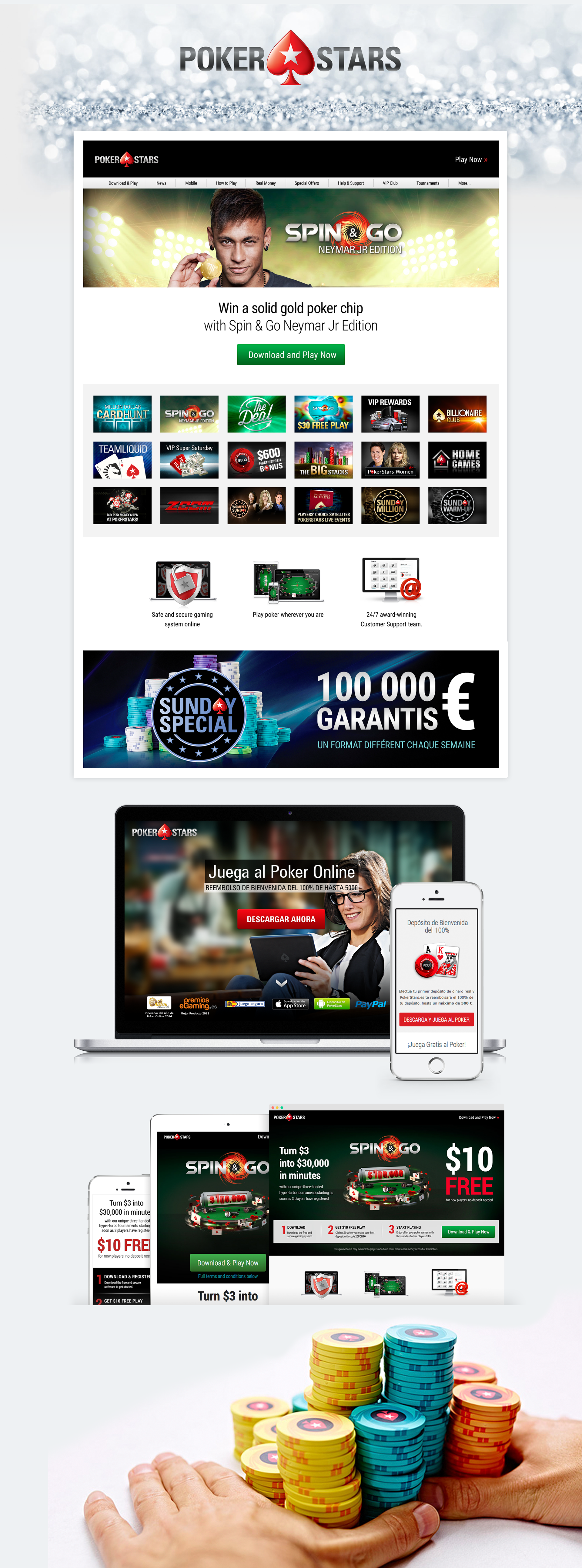
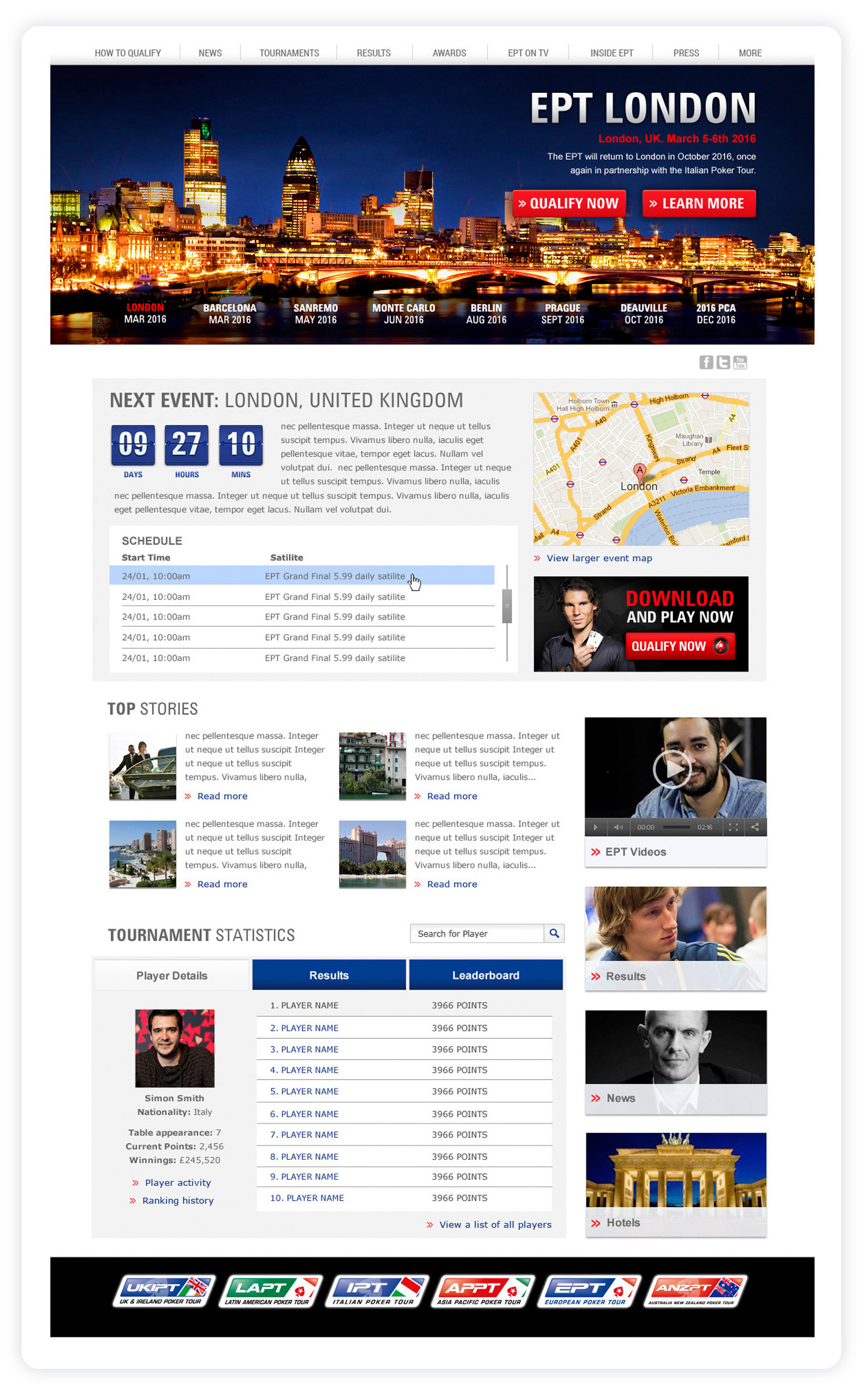
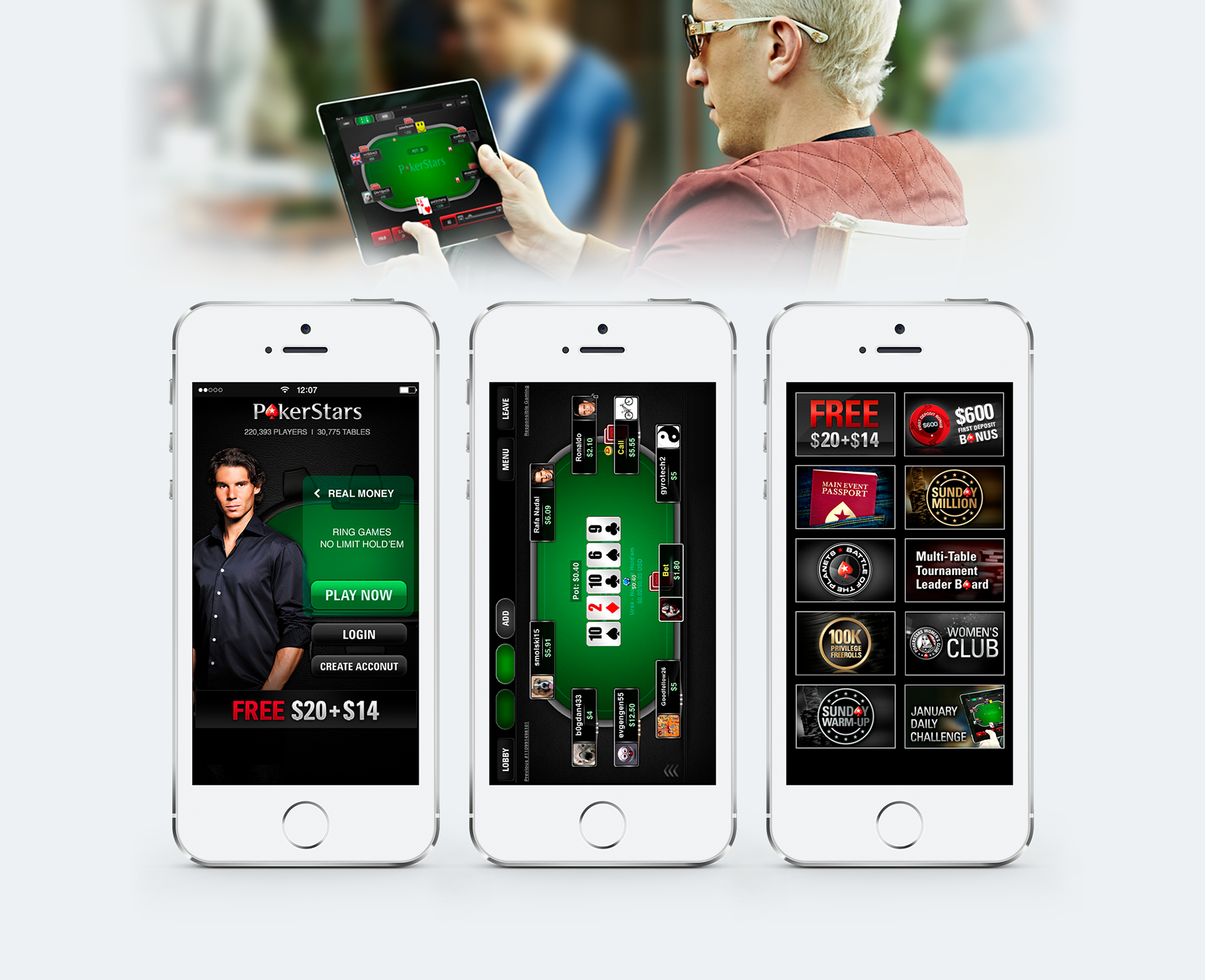
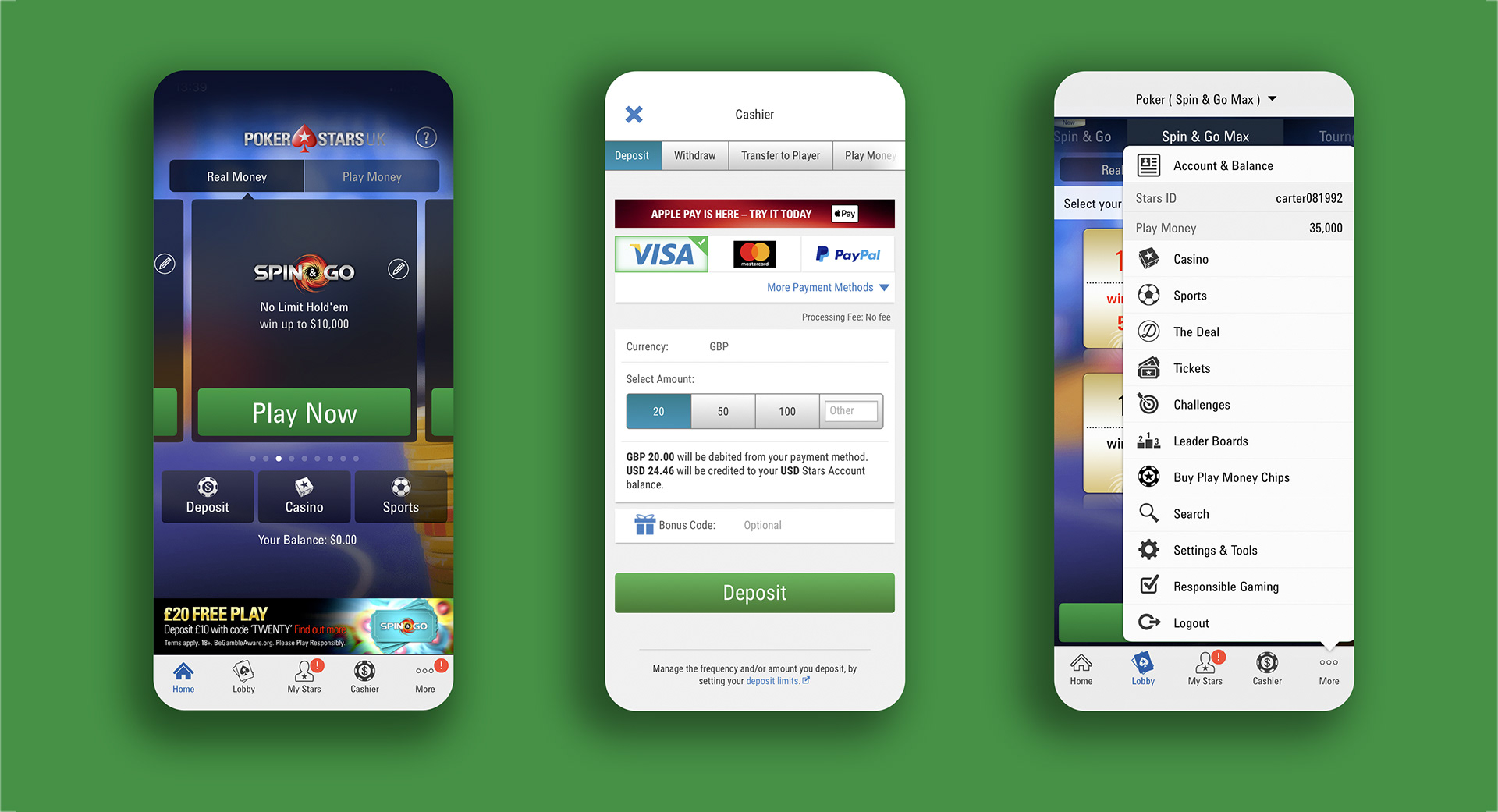
PokerStars is one of the world’s leading online poker platforms, offering a seamless experience for millions of players globally. This project focused on redesigning the website and mobile application to improve usability, engagement, and trust while maintaining the brand’s premium feel.
Challenge
When we started, we noticed that network troubleshooting was fragmented. Engineers were juggling multiple tools, manually correlating data, and losing time during outages. Our goal was to create a single, intuitive interface that combined conversational AI, real-time monitoring, and actionable insights.
My Role
User Research and Personas
Conducted detailed user research to identify needs and created personas to guide design choices effectively.
User Flows and Wireframes
Designed user flows and wireframes to map key interactions and visualize layout and functionality.
High-Fidelity Mockups
Delivered polished high-fidelity mockups aligned with brand guidelines to ensure intuitive user experience.
Goals
- Enhance user onboarding for new players.
- Streamline navigation for quick access to games and tournaments.
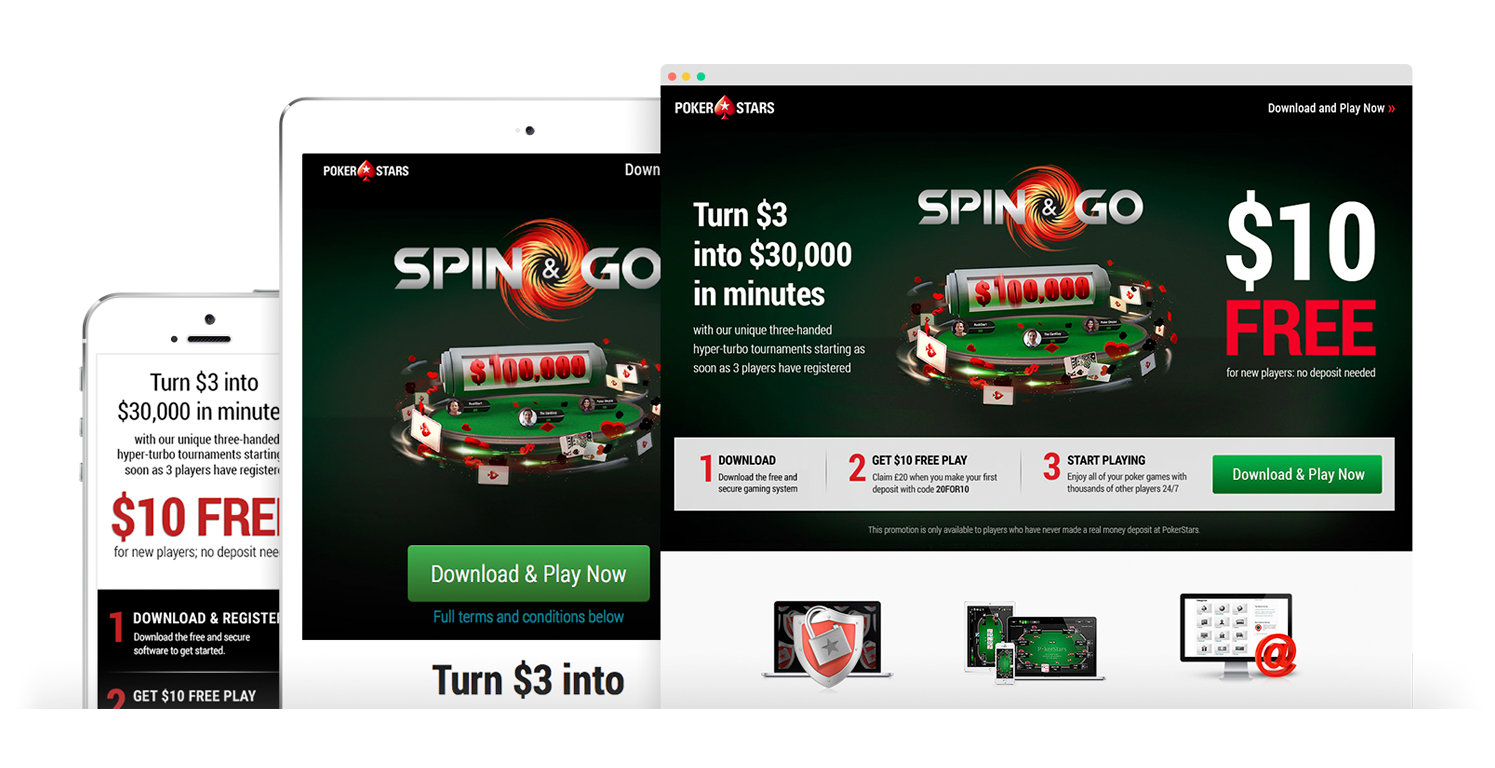
- Improve mobile responsiveness and consistency across devices.
The Challenge
- Balancing complex game features with a clean, intuitive interface.
- Designing for multi-platform consistency (desktop, iOS, Android).
- Addressing trust and security concerns in payment flows.
- Optimizing for high engagement during live tournaments.
Our Approach
Step 1
Research & Discovery
Conducted competitive analysis of major poker platforms.Ran user interviews with casual and professional players.Identified pain points: confusing navigation, cluttered tournament screens, and slow mobile performance.
Step 2
Information Architecture
Created a simplified navigation hierarchy:
Home → Games → Tournaments → Promotions → Account.
Introduced quick-access shortcuts for frequent actions (e.g., “Join Table,” “Deposit”).
Step 3
Wireframes & Prototypes
Designed low-fidelity wireframes for core flows:
Registration & onboarding.
Game lobby navigation.
Tournament participation.
Built interactive prototypes for usability testing.
Step 4
Visual Design
Applied dark theme with vibrant accents for immersive gaming.
Used consistent iconography for game types and actions.
Integrated real-time status indicators for tournaments.
Step 5
Usability Testing
Tested with 10 participants across web and mobile.